Balance


The golden rule found in all religions “do unto others as you would have them do unto you” must be applied to all creatures. We humans prize ourselves for having big brains, lets use them to reflect on the implications of our actions and create big change in the small beginning steps as we act into the world. 

Actions taken at the level of the individual have huge ripple effects both positive and negative. For instance, taking wild endangered animals from the ecosystem can cause huge impacts. A pangolin can consume up to 20,000 ants and termites day maintaining balance in their ecosystem.

Ants are globally invasive species and have invaded South Africa’s Kruger National Park, and have shut down Australia’s Darwin Port after the ants were discovered among cargo. Invasive species and viruses travel with humans in out of control tourism. Leaving the delicate balance of evolved complex ecosystems in place both protects us and all the creatures. For more reading on human impact on global systems read gary’s blog post Collapse and renewal.
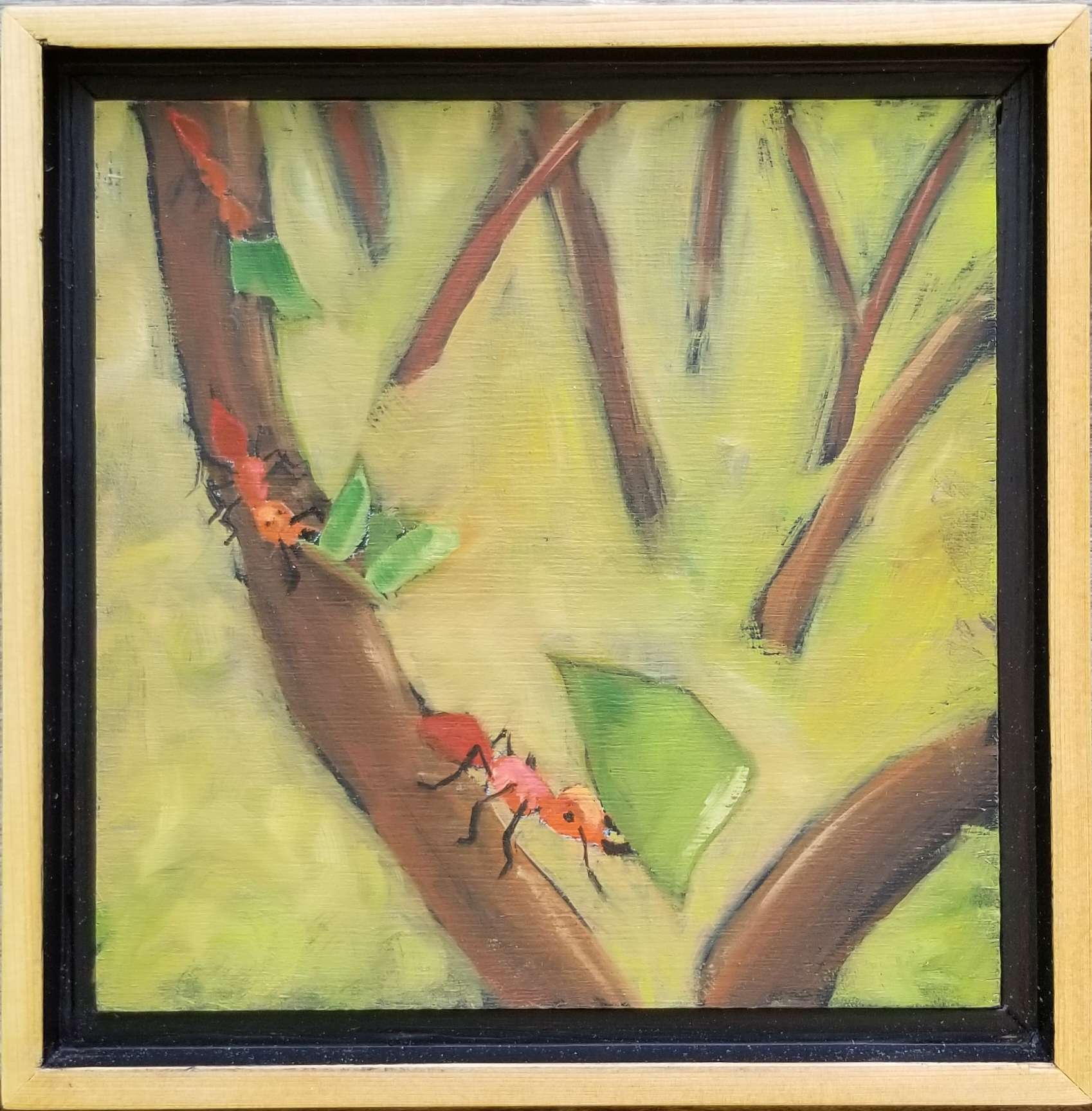
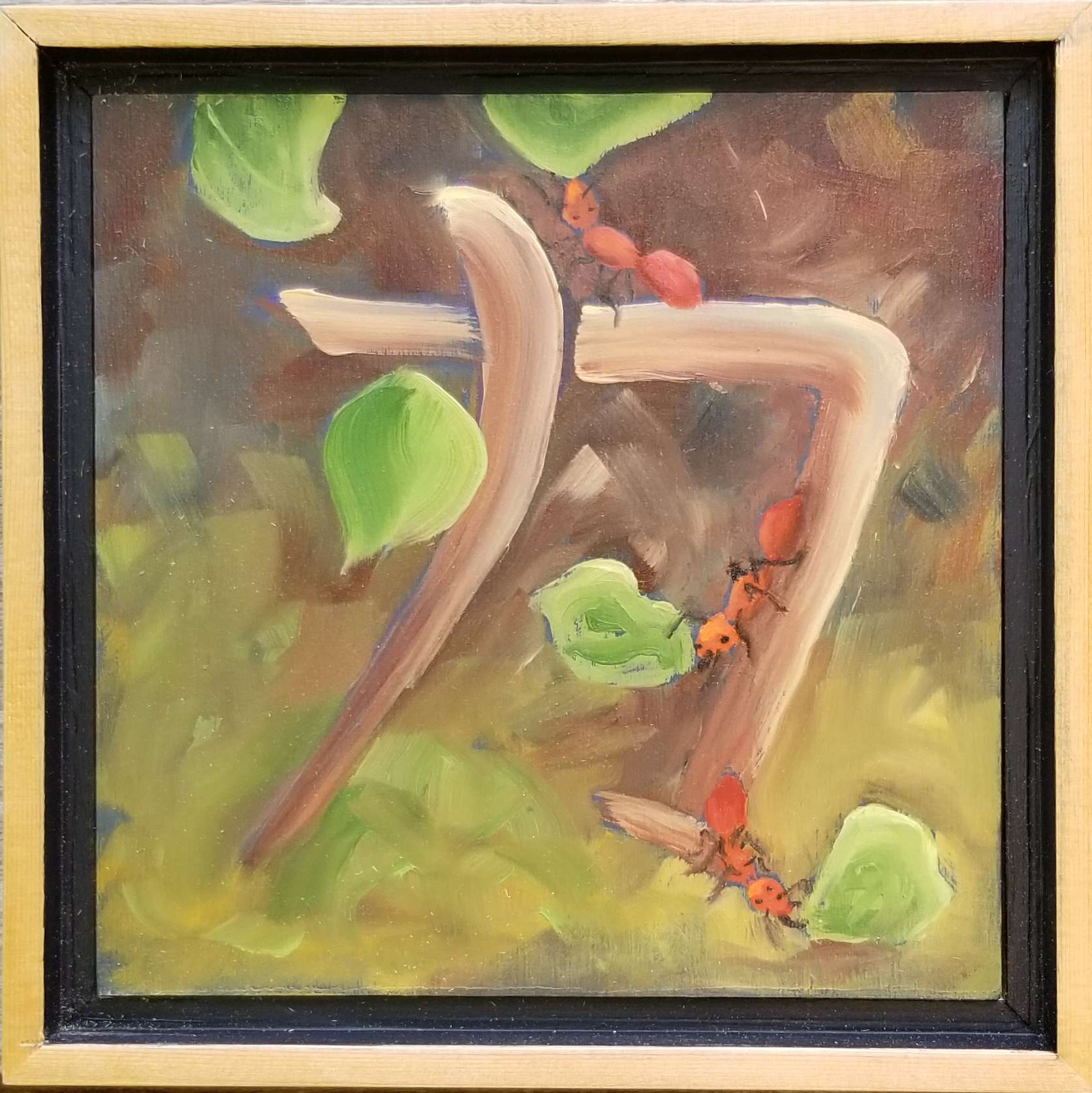
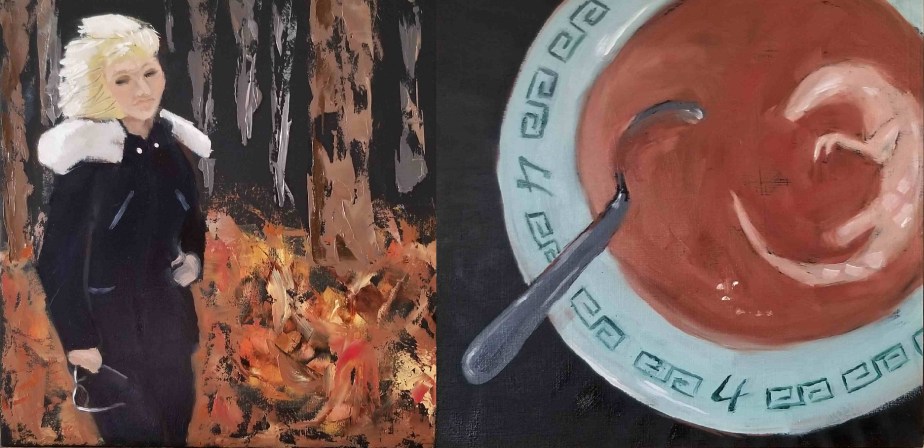
Discomfort Soup


What does it feel like to eat endangered species? Is it a cure or a symptom of the disease? In the late 1800’s Baha’u’llah addressed the human race: “If carried to excess, civilization will prove as prolific a source of evil as it had been of goodness when kept within the restraints of moderation.” C-19 has given human civilization a chance to pause and reflect on our actions and a horrifying picture is emerging: “if you weigh the earth’s terrestrial vertebrates, humans account for 30 percent of their total mass, and our farm animals for another 67 percent, meaning wild animals (all the moose and cheetahs and wombats combined) total just 3 percent.” — McKibben 2019. While cooking an evening meal I am reminded of how little it takes to sustain life for all creatures, fresh air, pure water, safe shelter, sleep and nutriments. As we move about in our daily lives apply the brake of moderation and remember “That in wildness is the preservation of the world” —Henry David Thoreau.

Innocence


During the month of April while living in isolation. I did a small painting every day. The work started randomly and took on meaning in the backdrop of the worlds covid-19 crisis: where did it come from? how did it spread? will we always have to keep our distance? how has human society changed? can we make lasting change to our habits? This month I will be posting a selection of the 30 small paintings.

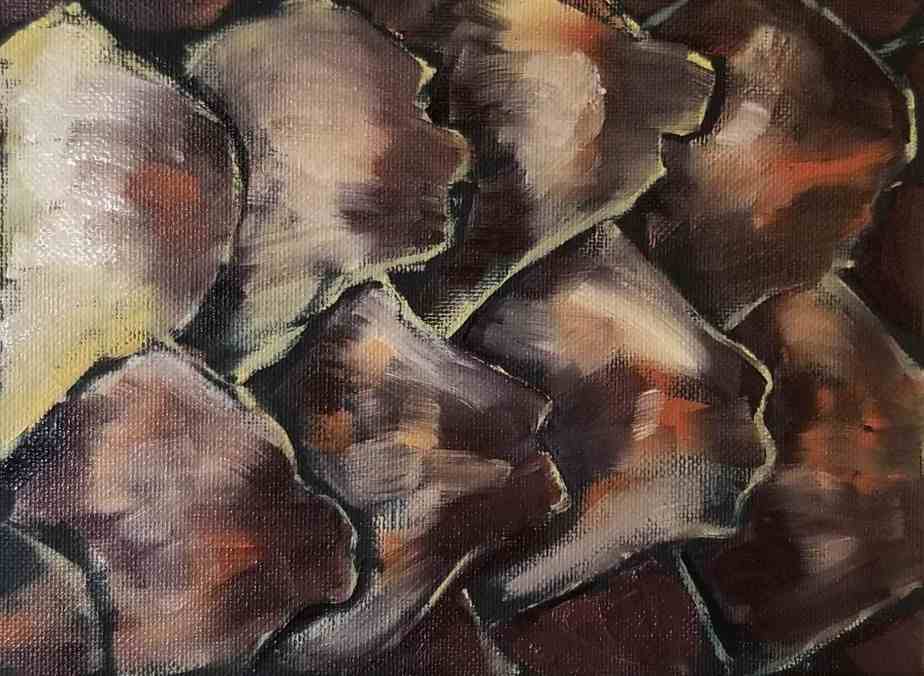
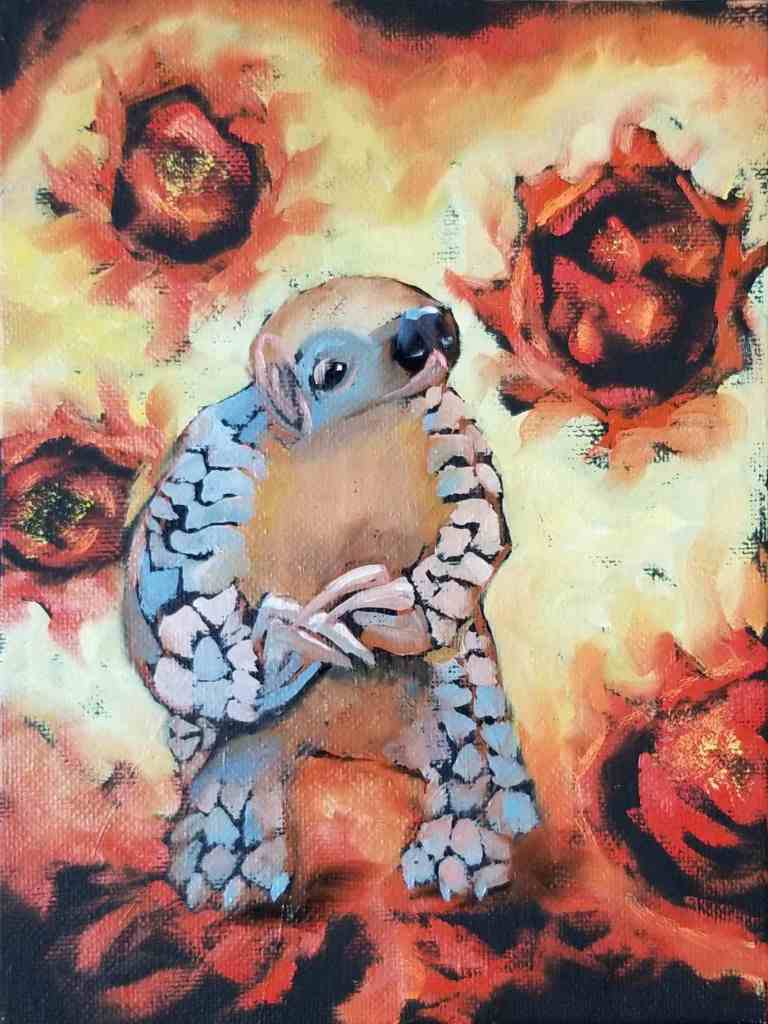
The pangolin is thought to be a vector for the Coronavirus (COVID-19), current thinking is that the virus originated in bats, passed through another host, possibly the pangolin, then mutated before spreading to human beings. You might wonder how a shy creature eking out a living on ants and termites in the jungles of Africa could be taking centre stage in this out break. Little is known about this unique wild mammal’s habits and habitat which make it difficult to care for in captivity. When attacked the creature rolls itself into a ball and is protected by an armour plate of tough scales. That is, protected from every creature except man who simply picks up the ball and walks off with it. One thing that makes the Pangolin special is that it is the only mammal with scales. This unique feature makes it highly prized in Asian medicine, even without any scientific proof. The meat is also considered a health enhancing delicacy and is sold for a high price. They are protected by international agreement as critically endangered of extinction, yet these laws are ignored, and pangolin scales are available in traditional medicine shops and pangolin meat appears on the menu in many restaurants. As I was painting in April, 14 tons of scales from 36,000 animals were seized.

“Some animals you can’t help thinking just seem too innocent for this world, the pangolin is one of those creatures.” Wildlife photographer Suzi Eszterhas

Chutes


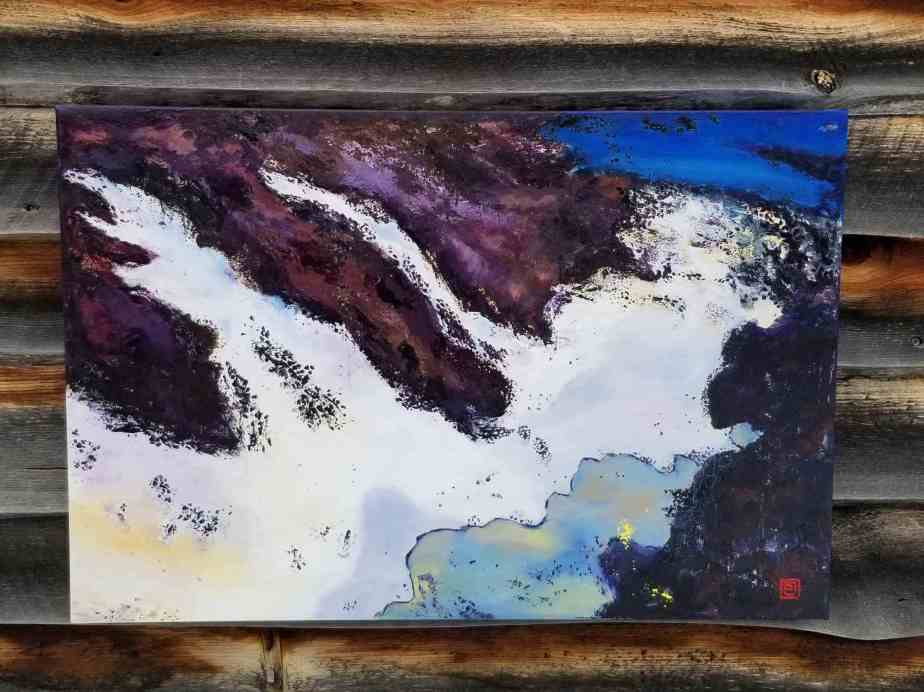
20″ x 30″ oil on canvas

Ontario’s provincial parks owe a lot to artists like the Group of Seven. Killarney Provincial Park began with A. Y. Jackson petitioning the Provincial government to have it preserved as Trout Lake was about to be logged. That lake now bears the name O.S.A. Lake for the Ontario Society of Artists.

During the summer of 2019 on two occasions my daughter Harmony, 5 year old grandson Cole, and me made Chutes Provincial Park home for a spell. This remarkable spot is the backyard of the town of Massey (so close it uses the towns water system).

Chutes park is on the Rivière aux Sables a mighty cascading twisting river that is itself designated as a Provincial Park (waterway class park protects approximately 3,658 hectares including 75 kilometres of the river).

Chutes park is small in size yet has a mighty spectacle on the Twin Bridges Trail – 6 km return (2 hours) moderate. Following the Aux Sables River this hiking trail leads to lookouts at the falls and the Seven Sisters Cataracts where i took many photos of this powerful wonder. This painting is from one of those shots.

If you are ever travelling down Hwy 17 through Massey turn off at the traffic light and within 1 km you will find this spot and a fine sandy beach tucked in a bend in the river below the falls.